


TESTING
What a single strand
of hair can tell you.
Fifteen elements, each mapped across 30 days.


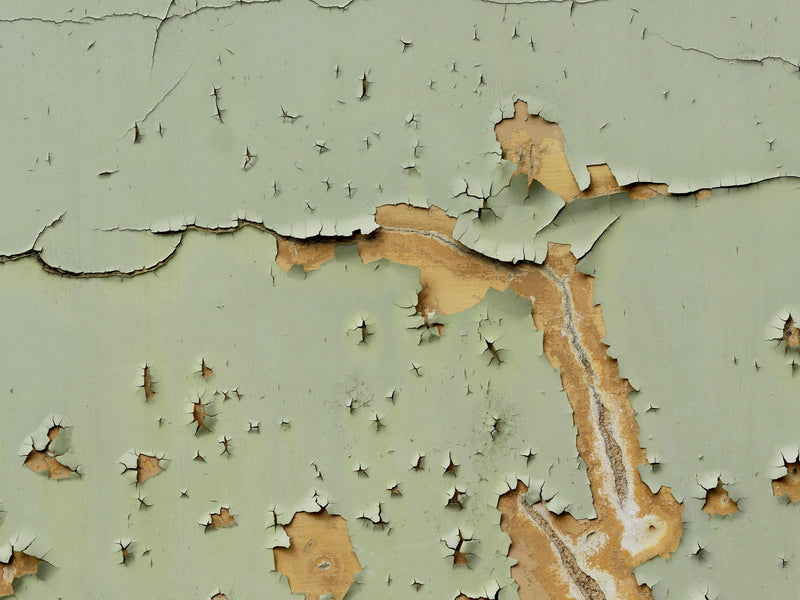
Commonly found in old paint dust, aging pipes, and contaminated soil, lead is one of the more widely studied environmental elements. It is worth monitoring over time, particularly for families with young children, given research pointing to links with development and behavior.

Found in tobacco smoke and some leafy vegetables grown in contaminated soil, cadmium is an element where long-term patterns tell the most meaningful story. Research has pointed to links with kidney function and bone density, so tracking patterns over time gives you a more informed picture.

Naturally occurring in some well water, rice, and materials used in older building treatments, arsenic is an element where context matters. Research has noted associations with skin, lung, and heart function in studies of long-term exposure.

Aluminum is a metal commonly found in the environment and in everyday consumer products, and can be found in antacids, baking powder, cookware, and as an active ingredient in antiperspirants. Elevated or prolonged exposure has been linked to bone disease and potential neurodegenerative concerns.

Found naturally in nuts, seeds, and leafy greens, and present in some laxatives and antacids, magnesium is one of the body's most important minerals, supporting muscle function, energy, and sleep quality.
Found in meat, legumes, sunscreens, and some cold remedies, zinc plays a central role in immunity and how the body's cells function day to day. Your results show how patterns shift over the 30 days.
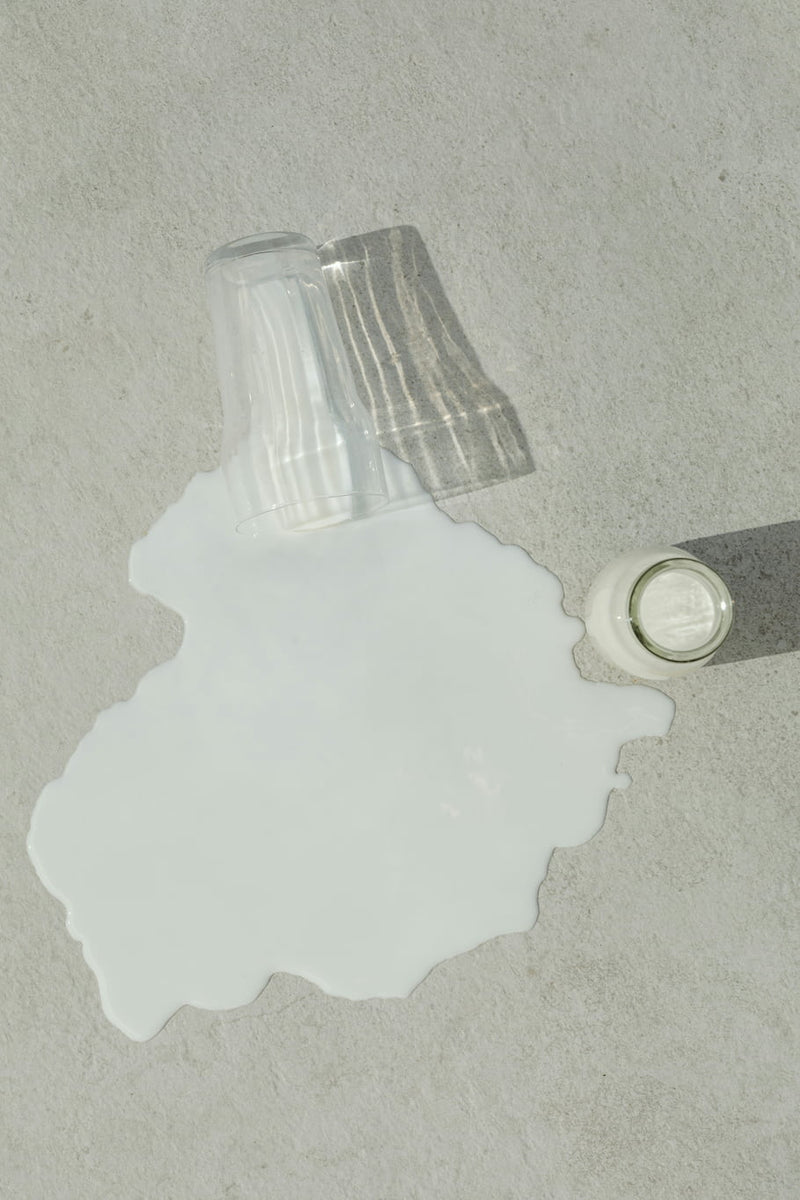
Found in dairy products, leafy greens, and some supplements and antacids, calcium is the body's most abundant mineral and central to bone strength and muscle function. Research has pointed to links between high intake over time and kidney stones, so your timeline gives you a useful picture of how patterns may have shifted.
All measured
elements
explained
-
- Element Type What it is & where it's found
-
Essential
An essential mineral found naturally in nuts, seeds, and leafy greens, as well as in many laxatives and antacids.
-
Essential
An essential mineral found in grains and tea. Can also be present in urban air from industrial emissions.
-
Essential
An essential metal found in drinking water from copper pipes and in foods such as shellfish and nuts.
-
Essential
An essential mineral found in foods such as meat and legumes. Also used in sunscreens and cold lozenges.
-
Essential
A trace element found in Vitamin B12. Can also be present in blue glass, metal alloys, and rechargeable batteries.
-
Essential
An essential mineral found in protein-rich foods and added to sodas as a preservative.
-
Essential
An essential nutrient found in dairy products and leafy greens. Also used in antacids and supplements.
-
- Element Type What it is & where it's found
-
Toxic
A toxic metal found in old paint dust, aging pipes, and contaminated soil.
-
Toxic
A toxic heavy metal commonly found in tobacco smoke and leafy vegetables grown in contaminated soil. Also present in house dust and soil tracked indoors.
-
Toxic
A metal found in everyday items like jewelry, watch backs, belt buckles, eyeglass frames, keys, coins, and mobile phones. Also present in some foods such as nuts and chocolate.
-
Toxic
A naturally occurring toxic element found in some well water and groundwater, rice, and materials historically used for pressure-treated wood.
-
Toxic
A naturally occurring metal found in deep well water, as well as in some industrial and household products.
-
Toxic
A metal widespread in the environment and consumer products, including cookware, baking powder, and some personal care products.
-
- Element Type What it is & where it's found
-
Other
A naturally occurring element found in some drinking water. Also used as a mood stabilizing medication.
-
Other
A naturally occurring element found in soil and seafood. Can also be present in specialized toothpaste and fortified foods.
What's included
One test. Three things you'll walk away with.
One simple process, from sample to results, with everything you need to move forward.

Your collection kit
Everything you need to collect your sample at home, including a prepaid return envelope. No clinic visit, no appointment needed.

Your exposure report
A 30-day exposure timeline, your Traced Score, and percentile rankings across all 15 elements—delivered in a clear, easy-to-read report.

Your next steps
Personalized, practical guidance for every element outside the typical range compared with our reference database, with descriptions of element sources and population-level associations drawn from sources including the CDC, EPA, and NIH.
How it works
Small sample.
Big picture.


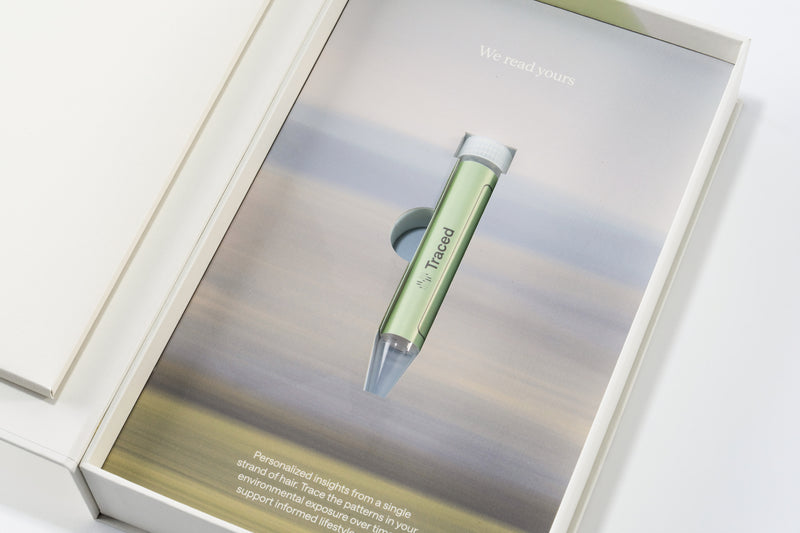
A few strands of hair, collected at home. The whole process takes seconds.
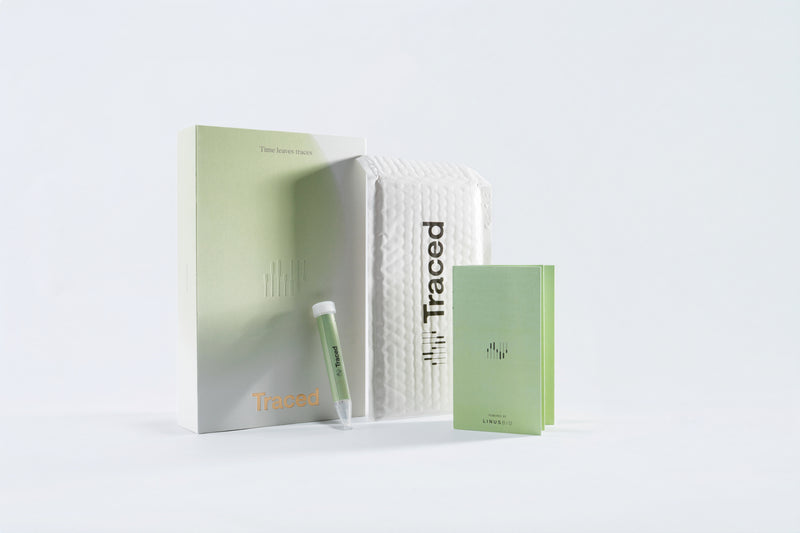
Mail it back to our lab using the prepaid kit included with your order.
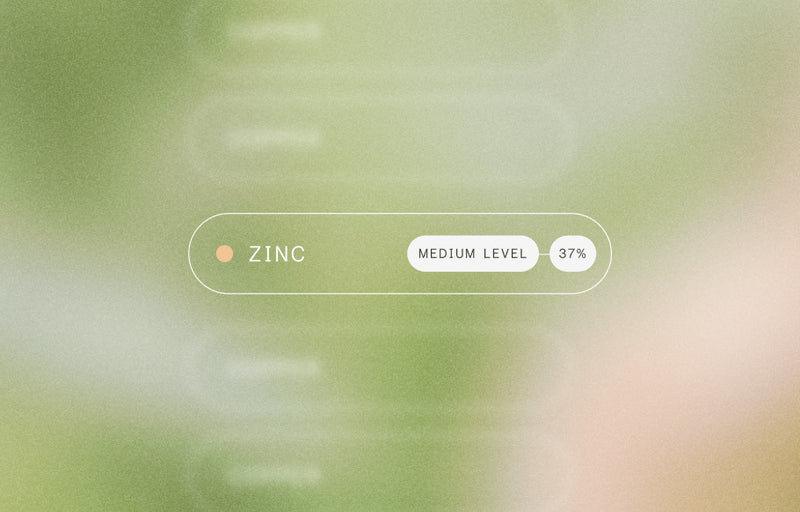
Your sample is tested across 15 elements against a global database.
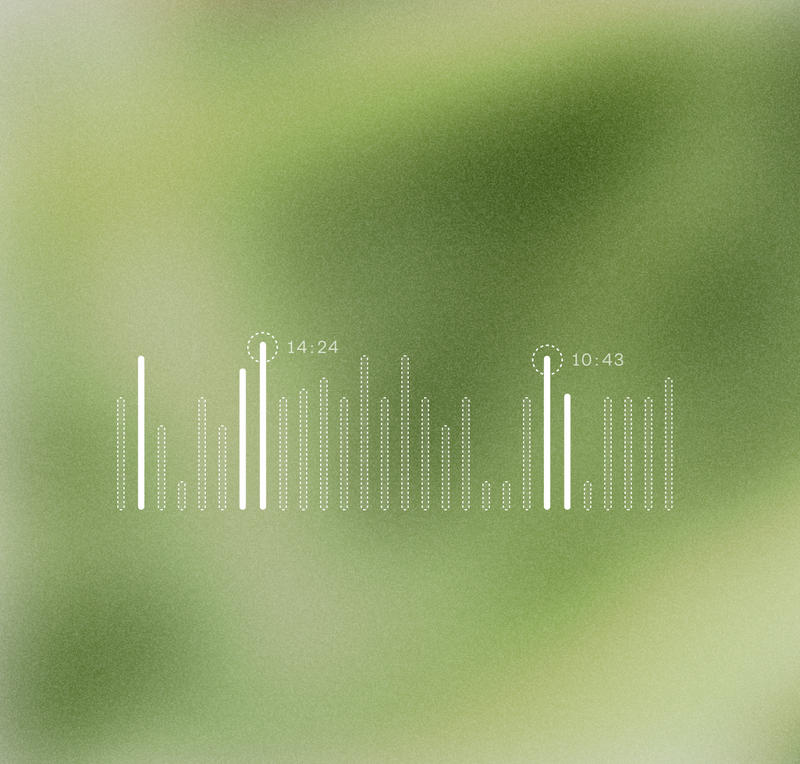
Results are mapped into a personal 30-day timeline, element by element.
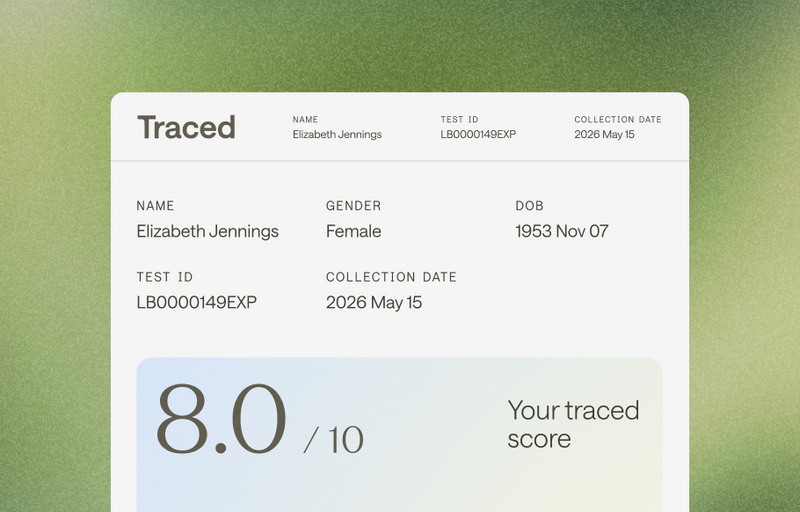
Every result comes with clear, practical guidance to inform lifestyle choices.
Report
The record your body has been keeping.
Your Traced report turns a small sample of hair into a personal 30-day picture of your environmental exposure. It's built to be read, understood, and acted on—not filed away.


Compare
There's what standard wellness testing covers.
And then there's Traced.
Others Other Methods
Collect at home, no clinic needed
When exposure patterns shifted
Day-by-day results timeline
Results as percentiles, in plain language
One hair sample captures what the equivalent of 450 sequential blood tests would show, because unlike blood, hair holds its record. It never forgets
our expertise
Built on over a decade of NIH-validated research at Mount Sinai.


The question driving Dr Arora's work has always been the same: how is the environment interacting with our body, and what is hidden in the time dimension? Traced is his answer.


The science
Discover how a single strand of hair becomes a 30-day map of your environmental exposure.
FAQs

DR MANISH ARORA
-
You collect a few strands of hair at home and send them to our lab. We analyze your hair sample across 15 environmental elements and map your results across a 30-day timeline.
-
Blood tells you what's present at the time of testing. Hair tells you what's been building over time and when patterns shifted. It's also non-invasive, requires no clinical setting, and delivers 30 days of data from a single sample.
-
You need at least 5 strands of hair, cut as close to the scalp as possible. Your hair must be at least 1.5 inches long. If it is shorter than that, wait a little longer before collecting.
-
Within 15 business days of your sample arriving at the lab. You'll receive your exposure report digitally, including your timeline, percentile results, and guidance.
-
Results are shown as percentiles against a global database, with a timeline mapped across 30 days. Every element outside the typical range comes with a plain-language explanation of what it is, where it commonly comes from, and practical guidance to consider.
-
No. Traced is an informational exposure assessment. Results are for educational purposes only and are not intended to diagnose, treat, cure, or prevent any disease or medical condition. The test has not been evaluated or approved by the US Food and Drug Administration (FDA). Always consult a qualified clinician about your health.
-
Yes. Because only a few strands are needed, it's straightforward for the whole family to test together. Many of our members test themselves before moving on to other members of their household.
-
Many members find retesting every three to six months most useful. It's an effective way to compare your results over time, and to build a longer-term picture of your environmental exposure over time.